
|
home gallery |
| projects philosophy faq | |
 |
free plans: how to use Film Covering |
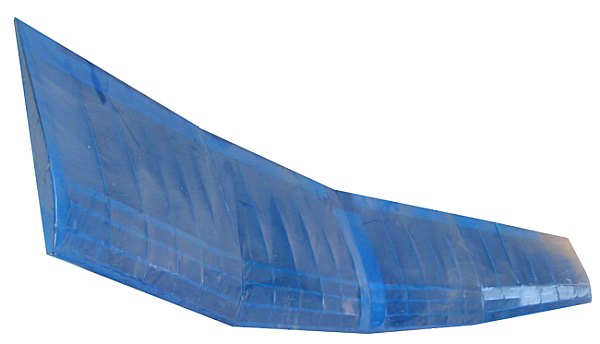
| Basic Description | Model airplane builders know all about the film coatings that are used to cover wings, but few people outside the hobby are aware of these amazing materials. You simply glue together a light wooden frame and then apply the film with an iron; the covering becomes drum tight and the entire assembly becomes remarkably strong. The film is available in a rainbow of colors and with some imagination you can create some wonderful projects; this technique would be perfect for a model, sculpture, dollhouse etc. |
| Materials | Heat-shrinkable film, wood such as balsa or bass, glue. A complete material list is provided below. |
| Tools | Hobby knife, iron. A complete tool list is provided below. |
| Cost | The plan itself is free! Estimated cost of materials: $16 |
| Time | 2 hours |
| Difficulty | Easy |
| Legal Notice | Use of this website constitutes acceptance of our terms of service policy. |

The first step involves acquiring the necessary materials and proper tools. It is best to get everything prepared before commencing because this allows you to progress without unnecessary interruptions. |
 |
| Item | Qty. | Description |
| #1 | - | Wood or plastic for frame. Confirm that the film will adhere to your frame material before commencing. Balsa wood works excellent as does bass wood. |
| #2 | - | Glue or other fastening method. Balsa wood adheres well with super glue. |
| #3 | - | Film covering. Many different brands and colors are available at hobby stores. Popular trade names include Monokote, Supercoat and Econokote. |
| Tool |
| hobby knife to cut film and balsa or bass wood. If you use other woods you will need to use more aggressive cutting tools. |
| scissors |
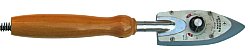
| iron. household irons work well, but inexpensive small irons are available that are better suited for smaller areas. see picture in step 3. |
| recommended: cutting mat |
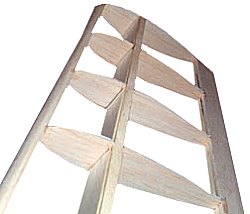
You begin simply by creating a frame. The frame needs to be as strong as possible but keep in mind that once the film is applied, the strength increases drastically. Balsa wood and super glue turns out to be a very suitable combination that yields a remarkable strength to weight ratio once covered. You can also try other woods for increased strength. Plastic and fiberglass will also work well; test the adhesion of the film to your frame material before beginning. |
 |
Once the frame is dry, you are ready to apply the film. There are many different competing varieties of film available and each come with instructions. The basic procedure is to lay pieces of cut film onto the area to be covered and then ironing it to the frame. After adhesion, the film shrinks and strengthens the entire assembly. To achieve the greatest strength, it is best to cover your entire frame. Household irons work fine, but the small irons made especially for this purpose are excellent and not prohibitively expensive. Proceed methodically and you will be surprised at what you can produce. |
 |
frame materialsThe film has an adhesive on the underside and it is critical that it sticks to your frame material. Most wood, plastic and metal should work fine. The heat from the iron melts the adhesive but it also serves to shrink the film to drum-tightness. It is critical that the glue you use is not heat sensitive because the ironing may hinder your joints. |
|
the filmThe films currently available are usually designed for model airplanes and therefore are made as lightweight as possible. If you will be making a sculpture, for example, weight is not critical and you can choose one of the heavier versions of film. Many colors are available including transparent, translucent, and opaque. ideasFilm coverings are designed for model airplanes but we have found many other uses. The technique is great for making all sorts of models, sculptures and decorative shapes. |
|
© 2000-2008
terms privacy policy |
home gallery |
| projects philosophy faq | ||
